Cardiac arrest does not arrange itself around hectic weeks or peaceful weekends. It gets here without alerting, at a backyard barbecue in Tinana, at a netball video game in Carisbrook, in a shed on a farm, or at a motel on the highway. The first person on scene is rarely a paramedic. It is an associate, a coach, a partner, or a passer-by. That is why a timely CPR refresher matters for anyone living or operating in Maryborough and the surrounding districts. Abilities fade, standards progress, and self-confidence can slip without practice.
A brief refresher once a year helps you keep your hands where they require to be, at the best depth and rate, with the confidence to utilize an AED and lead others. When minutes count, sleek basics conserve lives.
What a strong CPR refresher actually covers
A good cpr refresher course Maryborough does more than repeat the basics. The training enhances high quality chest compressions and ventilation strategy, but it also polishes the non-technical abilities that make a distinction in a genuine emergency situation: task sharing, voice control, and scene management. Anticipate focused, hands-on practice that brings muscle memory back online.
Most courses construct around the DRSABCD action strategy. You will look for danger, call for aid early, and move rapidly to compressions. Trainers run short scenarios so you can feel the rhythm of 100 to 120 compressions per minute, see the chest recoil, and time the 30 to 2 cycles if breaths are shown and you are trained to provide them. You will practice attaching and using an AED, consisting of powering on, putting pads properly, and clearing the patient when advised.
The useful piece is where real value lies. You may compress on adult, kid, and infant manikins to change depth and hand placement. You will feel the difference a company surface makes, and how a small body requires a gentler but still reliable method. Trainers commonly add brief debriefs that unload what worked, what stalled, and how to prevent typical mistakes like shallow compressions or unneeded pauses.
If your workplace has higher-risk circumstances, great trainers tailor content without frustrating you. Hospitality locations speak about choking and crowd management. Schools and child care settings drill kid and infant variations. Sporting clubs rehearse back preventative measures and defibrillator location checks. Farms concentrate on remote response, how to direct an ambulance to a gate, and how to rotate rescuers when you are far from help.
Staying lined up with the most recent guidance
In Australia and New Zealand, CPR recommendations are published by ANZCOR and reviewed periodically. The basics stay stable, and for great reason. Early acknowledgment, early CPR, and early defibrillation are still the pillars. High quality compressions imply a rate of 100 to 120 per minute at a depth of about 5 to 6 centimetres for adults, with full chest recoil and minimal interruptions. Ventilations are delivered if you are trained and ready, usually at a 30 to 2 ratio for single rescuers.
Recent cycles of assistance have clarified a few points that frequently appear in refresher sessions:
- Compression-only CPR remains an appropriate choice for inexperienced or reluctant rescuers, or when no barrier gadget is available. Trainers will reveal you how to switch from compressions just to 30 to 2 if a second skilled rescuer gets here with a mask. AED use for children is encouraged when available. If paediatric pads are on hand, use them. If not, adult pads can be used with careful positioning so they do not touch. For suspected opioid-related breathing arrest, naloxone can be life saving if it is readily available and you are trained to use it. CPR and ventilation still come first. Drowning and paediatric cases get more focus on effective ventilations, given that oxygenation is the main problem instead of an unexpected cardiac cause. In some circumstances, the first breaths are prioritised before compressions if you are trained and have support. Spinal preventative measures are sensible when the system recommends danger, however do not delay respiratory tract opening or CPR if the individual is unresponsive and not breathing normally.
If you have not trained considering that before the pandemic, you will likewise observe stronger assistance on scene security, hand hygiene, and reasonable alternatives for barrier devices. Trainers do not push you to do anything you are not comfy with. They show you safe choices that still deliver care.
Maryborough context: distance, volunteers, and real-world constraints
Maryborough and nearby neighborhoods depend on a mix of professional responders and volunteers. Response times enhance every year, but distance, traffic, and weather still shape outcomes. That puts more weight on what a bystander performs in the very first 3 to 8 minutes. Because window, a confident rescuer who begins compressions and turns on an AED can double or even triple the chance of survival from a shockable rhythm.
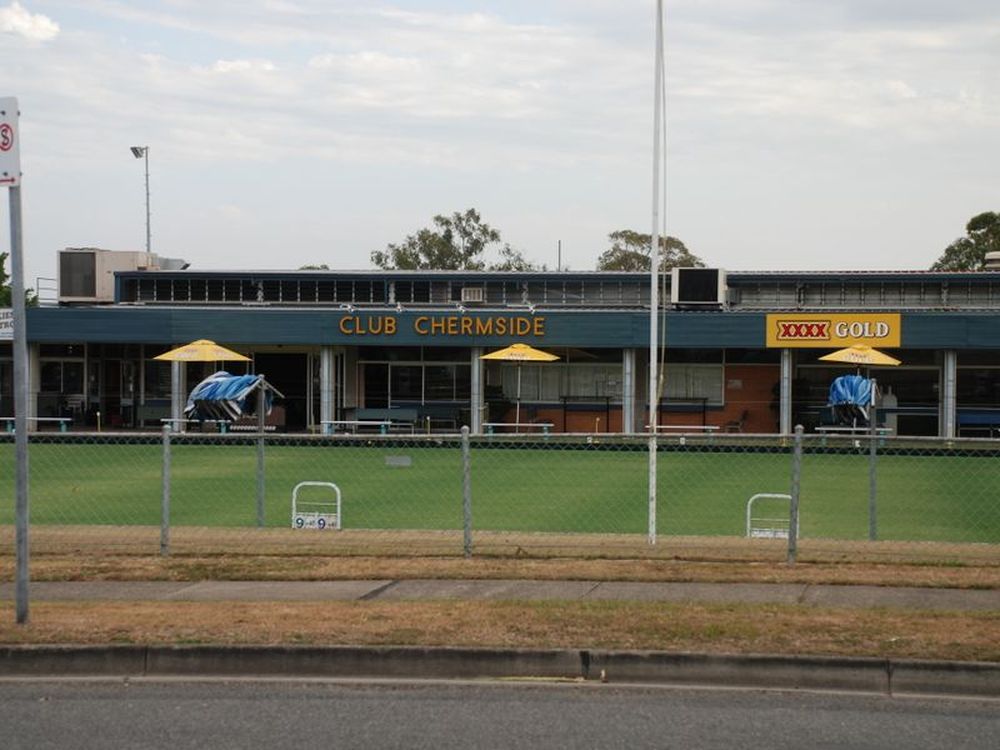
AEDs are appearing in more places around town, from sports pavilions to supermarkets. A refresher course encourages you to try to find them in your daily regimens and to normalise their usage at work. At a bowls club, for example, members often decide to move the AED so it is visible from the green instead of in a back workplace. In making sites, safety officers map the nearest device to each production line and add AED checks to regular monthly inspections.
For farms and little worksites, courses frequently attend to gate numbers, GPS collaborates, and how to meet an ambulance at the road. A brief drill on calling Triple Zero, providing clear instructions, and sending out somebody to wave down the response vehicle can shave minutes off the timeline.
What to anticipate logistically from a regional refresher
A cpr course Maryborough that concentrates on refresher content normally runs in a single session. Numerous companies offer combined delivery where you total online theory ahead of time, then go to a 1.5 to 3 hour useful workshop. The face-to-face component is physical, so use clothing you do incline kneeling in, and shoes with grip.
Look for training delivered by a registered training organisation. In Australia, the current nationally recognised system for CPR is HLTAID009 Offer cardiopulmonary resuscitation. If you also need wider emergency treatment protection, HLTAID011 Supply First Aid includes CPR within it, and numerous work environments ask staff to hold that certificate with annual CPR refreshers. Providers in the location, including Emergency treatment Pro Maryborough and other RTOs, frequently provide both schedules, together with targeted emergency treatment and cpr courses Maryborough for childcare, education, or healthcare.
If language or ease of access is an element, ask in advance about assistance. Numerous trainers can speed the session, supply larger-print products, or change assessment techniques while keeping competency standards. If you have a knee replacement or back pain, let the trainer understand. You can demonstrate strategy using a bench or seated position if kneeling is not possible, while still fulfilling learning outcomes.
Who advantages most from annual CPR refreshers
- Workers in roles with legal or policy requirements, such as childcare, education, security, and healthcare. Community sport coaches, lifesavers, and volunteers at events where crowds gather. Supervisors in production, building, agriculture, and warehousing where incidents can be high impact. Hospitality and retail staff who manage large public spaces, older customers, or late trading hours. Parents, grandparents, and carers who want to be all set for infant or kid emergencies.
If a role needs a first aid certificate Maryborough or a first aid and cpr course Maryborough for compliance, inspect the renewal periods. CPR is typically suggested or mandated yearly, while the broader first aid certificate is frequently renewed every 3 years, with regional policy differences.
Common errors a refresher cleans up up
I have viewed numerous refreshers, and the very same concerns appear, even in experienced personnel. The first is depth. Lots of people press quick but shallow, specifically as tiredness sets in. The fix is mental, not just physical. Count out loud in cycles of 30 so your teammates can hear you, and switch rescuers every two minutes or quicker. Use your body weight, lock your elbows, and lean forward from the hips to keep compressions efficient with less effort.
The second is ventilation method. Without a barrier device, lots of are reluctant, which is fine, and compression-only CPR is appropriate. If you do provide breaths, a light seal and mild puffs over one second are more effective than powerful exhalations that blow air into the stomach. Trainers will reveal you how to see the chest rise and prevent over-ventilation.
The 3rd is AED hesitation. The gadget is your good friend. Power it on and follow guidelines as soon as it shows up. Do not delay because you are mid-cycle. Clear the client only when the gadget informs you to. Keep hands on the chest during pad positioning, then go back for the rhythm analysis and shock delivery if advised.
Finally, scene management snags individuals. Shout for assistance early, point and designate jobs, and keep the area safe. A firm voice that states, You, call Triple Absolutely no, inform them we have an adult in heart attack at the train station entrance, and restore the AED from the ticket office, is not rude. It is leadership.
The detailed you ought to have in your pocket
- Ensure the scene is safe, check for response, and send out for assistance. Call Triple Absolutely no or direct someone specific to call. Open the respiratory tract and examine breathing. If not breathing normally, begin compressions. Compressions at 100 to 120 per minute, depth about 5 to 6 centimetres for adults, allowing complete recoil. Include 2 breaths after 30 compressions if trained and willing. As quickly as the AED gets here, switch it on, connect pads as revealed, follow prompts, and clear the patient when advised. Continue cycles of CPR, swapping rescuers every 2 minutes if possible, until aid takes control of or the person shows indications of life.
This summary is not an alternative to hands-on practice. It is a mental cue card you can bring from the class to the automobile park.
Special circumstances covered in Maryborough emergency treatment training
Children and infants require strategy adjustments and a calmer method. Fitness instructors teach two-finger compressions for babies on a company surface area, careful head placing, and gentle breaths. Ratios can vary when two trained rescuers exist for paediatric cases, however for the majority of bystanders the 30 to 2 pattern stays an easy anchor.
Drowning victims in local rivers or pools highlight the value of ventilations. Oxygenation is the issue, so qualified rescuers aim to prioritise efficient breaths early, then move into basic cycles with compressions.
Trauma-heavy settings like workshops and farms need additional attention to bleeding control, scene dangers, and spine factors to consider. If an individual is unresponsive and not breathing, CPR begins despite suspected back injury. Trainers will show how to open the respiratory tract with very little neck motion and how to coordinate with others to log-roll if needed for respiratory tract or safety.
Opioid overdoses, though less typical in some parts of Maryborough, are not rare. If you or your office maintains naloxone, your first aid and cpr Maryborough refresher can consist of quick drills on safe administration. Keep in mind that naloxone does not replace CPR, and repeated dosing might be necessary.

Pregnancy includes subtlety. When carrying out CPR on a noticeably pregnant person, somewhat displacing the uterus to the left can improve blood return to the heart. Fitness instructors can show safe hand placement and how to accomplish this without disrupting compressions.
Choosing a Maryborough first aid course that fits your needs
The market for Maryborough emergency treatment courses is active. You will see options for emergency treatment training Maryborough, first aid training in Maryborough, and blended emergency treatment courses in Maryborough accommodating diverse schedules. When comparing suppliers, think about these practical markers:
- Registration and systems of competency. Search for HLTAID009 for CPR, HLTAID011 for first aid, and specific modules if you work with children or in high-risk environments. Class size and hands-on time. Smaller groups supply more compression cycles per individual and more AED practice. Scenario realism. Efficient trainers use regional examples, from a collapse at a weekend market to a fall from height in a shed, and they include human elements like sound and spectator anxiety. Assessment requirements. Proficiency should be obtained through demonstration and participation, not simply a tick-the-box quiz. Post-course assistance. Refresher e-mails, short videos, or access to practice sessions help abilities stick between renewals.
Providers such as Emergency treatment Pro Maryborough and other local RTOs typically run weekend and evening sessions, and some will bring training on website for groups. That versatility helps offices keep present accreditations without shutting operations for a day.
How many hours, how much effort, and what you get for it
For a straight cpr training Maryborough refresher, anticipate to invest around 2 to 3 hours face to face if you have completed theory online. If you choose the complete in-room experience, the session can run a little longer to accommodate theory and assessment on the day. Costs vary by company, however CPR-only is usually the most budget-friendly piece of first aid courses Maryborough. Bundling CPR into a more comprehensive first aid course in Maryborough can be cost efficient if several personnel are due to renew.

On conclusion, you receive a statement of attainment for HLTAID009 from the RTO, generally provided digitally the very same or next organization day when administrative checks are completed. Lots of workplaces keep a central register of staff certificates. Set a calendar reminder at 10 to 11 months to avoid last-minute scrambles when audits arrive.
The case for AED familiarity in every corner of town
AEDs have developed into basic, strong devices created for public usage. The voice prompts are clear, and the security reasoning is built in. They do not deliver shocks unless the rhythm requires it. Regular exposure in a class gets rid of the last little bit of doubt when a genuine individual is pushing the floor.
One Maryborough café supervisor shared that personnel stopped utilizing the blender bench as a clutter zone after a refresher exercise that required an AED to be obtainable in under 60 seconds. Another team marked the fastest route from the warehouse floor to the front desk AED, then practiced twice a month. Small, practical changes like these matter when stress increases and great motor abilities degrade.
If your workplace does not have an AED, an emergency treatment and cpr course Maryborough can offer you the information and self-confidence to make the case. Costs have ended up being more accessible, maintenance is simple, and the devices often include child modes or pads to cover a wider series of circumstances. Most significantly, the existence of an AED alters what onlookers want to do. Individuals step forward quicker when they understand a gadget can assist them.
Blended knowing and why hands matter most
Online modules are efficient for revitalizing theory, however the body finds out CPR in 3 measurements. You need to feel the spring of the manikin chest, expect recoil, and adjust your stance. You should hear a trainer say harder, then great, hold that depth, and you ought to discover how rapidly tiredness gets here so you plan rescuer rotations instead of pretending you can hammer out 10 minutes alone.
This is why Maryborough first aid training emphasises practical time. Many instructors desire you spending the bulk of the session in drills rather than at a projector. When you leave, you should still hear the metronome beat in your head. That is the rhythm that returns under pressure.
Keeping abilities alive after your certificate arrives
You do not need to wait a year to touch a manikin once again. Many workplaces keep a training system on website. Ten minutes when a month keeps your hands honest. Turn personnel in sets and practice a single two-minute cycle with pad positioning. If you are part of a club, add a short refresher at the start of the season and repeat mid-year.
A few useful habits keep you prepared in between official sessions:
- Walk your areas with fresh eyes. Know the location of AEDs at work, at your fitness center, and in neighborhood places you go to often. Rehearse the call. State out loud what you would inform a Triple Zero operator from your precise address, consisting of nearest cross street or gate reference. Talk with your household about what you are comfortable doing. If you choose compression-only CPR without a barrier device, settle on that beforehand so there is no second-guessing in the moment. Watch short, credible videos from recognised organisations to enhance technique, however constantly treat them as supplements, not replacements for hands-on practice.
Where emergency treatment and CPR fit into more comprehensive safety culture
A Maryborough first aid course does not exist in isolation. It ties into event reporting, hazard recognition, and psychological health emergency treatment. After any genuine occasion, a brief, supportive debrief helps people process the experience and recognize lessons for next time. Did we know where the AED was. Did someone bring a blanket to maintain dignity and heat. Did we rotate rescuers early enough. These are the little modifications that construct capability.
If you supervise compliance, align training cycles with your audit calendar and seasonal risks. Before summertime sport increases, confirm that coaches hold existing first aid and cpr Maryborough credentials. In harvest season, guarantee teams on remote properties carry clear directions and charged phones, which a minimum of 2 people per website are current with CPR. For companies that trade late, stress lone worker factors to consider and emergency gain access to when doors are locked.
Bringing it back to the point
A Maryborough first aid course or cpr courses Maryborough do not promise heroics. They develop ordinary proficiency so that when the remarkable takes place, the very first individual on scene can make instant options that count. The evidence is stable. Early, continuous compressions at the correct rate and depth, coupled with an early shock when suggested, conserve lives. Whatever in a strong cpr refresher course Maryborough points you at that goal.
Whether you are renewing for work, coaching cpr courses Maryborough a junior team, or simply want the confidence to act, book the refresher. 2 hours of practice is a modest request for a skill set you carry all over. And if enough people keep present, Maryborough ends up being a much safer location to live, work, and gather.
Nationally Recognised First Aid Courses Maryborough Locals Trust! First Aid Pro is one of Maryborough’s leading providers of accredited CPR and first aid courses. Established in 2010, our nationally registered training organisation (RTO) has equipped over 3 million Australians with essential life-saving skills through our experienced team of over 110 expert trainers. Conveniently located in the heart of Maryborough, we offer top-quality, nationally accredited CPR and first aid training sessions tailored to your needs, whether for workplace requirements, career advancement, or personal safety. From childcare-specific first aid to advanced first aid and resuscitation, we’ve got you covered! First Aid Pro | First Aid Course Maryborough Maryborough QLD 4650 Australia Phone: (08) 7120 2570 Secure your Maryborough first aid course or CPR training with us and build the confidence to handle emergencies with a trusted Maryborough first aid provider. Take the first step towards becoming a skilled and capable first aider with First Aid Pro today!